2012-10-09

Thank you Ampere Downers!

Slow Mother Blog
October 9
Inspiration from Japan


I was so proud, so excited, so happy to click on a facebook link yesterday - it led me to an article. The world is now hearing about the gentle, sincere, humble ways of the Sloth Club through the
Wall Street Journal!

The ‘ampere down’ campaign was highlighted in the article, featuring the energy saving measures of various ampere downers across Japan. The original ‘light-bulb moment for
this campaign came from Hokkaido Sloth, Peter Howlett, (who I was so happy to meet earlier this year) and now all across the planet people will be contemplating whether they too could/should set themselves an enjoyable challenge in living with less.

The ideas about using brooms instead of vacuum cleaners, clay pots instead of rice cookers and turning off the fridge on a cool night will feed imaginations and encourage
others. People who live in countries with less will feel encouraged by the sincerity and commitment by people in one of the richest nations on Earth. And leaders in Japan will be reminded that there is a way to move away from nuclear power and energy production that destroys the Earth – its own citizens are leading the way in showing what is ‘enough’.

What I thought was missing in the article was the sense of joy, contentment and purpose people found when they were able to simplify their lives by using less energy.
Unfortunately many people in ‘rich’ countries and/or ‘rich’ households still think it is a big sacrifice to use less, or a step ‘backwards’ – when, in truth, it can provide such meaning and authenticity to our existence.

We know that the world’s problems may not be instantly solved by individual actions – but the truth of that action will shift the person’s life and touch all those around
them – and the message will spread.

Thank you Sloth Club -
Thank you Ampere Downers of Japan!


Pacha getting energy from being alive! She's mosaicing a wave, with herself in the barrel

2012-10-08

10/8和訳:訪問者からみたシンプルライフ

ここ数カ月、我が家では、すばらしいお客様を次々にお迎えしています。
ゲストの誰もが、彼らの日常にはないものを見たり、体験したりします。みなさんのその反応は、まるでハエの複眼でみられているかのよう(笑)。私たちが本当に「あるもの」で暮らしているということを再認識する瞬間でもあります。

今日は、数週間前に子どもと一緒に我が家を訪ねてきてくれたヘレナ・ルソーバさんのフェイスブックから、美しい写真を紹介しますね。

through the eyes of visitors

We have had many wonderful visitors to our home over the past few months. Each one sees something else, something new - like the multifaceted eyes of a fly, it shows us more about how we live/what we have. Here are some beautiful photos (on facebook)  taken by Helena Rousova when she visited with her children a couple of weeks ago:

https://www.facebook.com/photo.php?fbid=376519865757332&set=a.374435339299118.86765.100001979667859&type=1&theater

2012-09-15

9/13和訳:「地球1個分の暮らし」という夢を生きる

(日本の作文コンテストに応募したエッセイ)
パチャ・ルーケ・ライト


私が自分自身と世界のために創りたい未来は、私たちが幸せに、かつシンプルに、地球を破壊することなく平穏に暮らすことができると皆が気づいている世の中です。

私の夢は、私にとって既に現実のものとなっています―でも、私は、他の人にも、このように暮らしたいと思わせることができたらと望んでいます。

私は地球という1つの惑星の上に暮らしています。そして、私はそれで十分なのです。


「豊かな」国といわれるオーストラリアの、私の住んでいる通りのご近所では、人々は、地球2個か3個分、あるいはもっと多くを必要とするような暮らしをしています。

このあたりのふつうの家には、4つの寝室と2つの浴室があるのが一般的です。菜園を持っている人はあまり多くなく、芝生だけはたくさんあり、それらは多くの電気と生活用水を使用します。どの部屋にもテレビがあり、子どもたちはあまり外に遊びに行きたがりません。親が子どもたちを学校に送り迎えする光景がそこら中で見られます。

私のクラスメートの多くは、食べ物や新しい洋服、あるいはおしゃれにたくさんのお金を費やしています。彼らの親は、たいてい仕事に忙しく、子どもたちの運動会や発表会を見に来る時間がありません。また、私の周りには、一日の多くをビデオゲームをして過ごし、体重や健康に問題を抱える子も多くいます。

私たち家族は、そういう「ふつうの」人とは違った生き方をしています。そして、「ふつう」とは違った暮らしをしていることで、私たちを貧しいと言う人もいます。でも、私は、自分たちは幸せだと思うし、地球に優しい暮らし方をしていることでとても気分がいいのです。

私たちは、ほとんどリサイクル素材でつくった小屋を家として住んでいます。洋服を含め、私たちが使うほとんどすべてのものは、誰かの「お古」です。

うちには、私たちの排せつ物が、循環して果樹の成長に役立つコンポストトイレがあります。電気は太陽から、水は雨水から、すべて無料でもらっています!

私たちは、庭で果樹や野菜を育て、多めにできれば隣近所の人にお裾分けをします。私たちはあまり肉を食べません。けれども、時々、友達が魚を捕まえてきて、私たちに分けてくれます。

毎朝、私はインコやワライカワセミなどの鳥の声で目覚めます。窓から木々を眺めれば、ワラビーが草を食んでいるのが見えます。そして、起き上がった私は、野生馬のオリーに餌をやり、彼と遊びます。

すべてが平穏で理にかなっています。私たちは、どこにいても、このような安らぎと自然とのつながりを見出すことができると思います。

私が自然とのつながりを最も実感し、「ああ、生きているなあ!」と感じるのは、海に入ったときです。サーフィンをしていると、波のエネルギーがぶつかり、押しあうのを感じることができます。そして、そのエネルギーに任せ、あっという間にワックスを塗っただけのサーフボードが波の上に立ったときの楽しさとスリルといったら!―美しい緑の波の上でのひとすべりは、とても言い表せません!

私は、何か大好きなことを見つけたなら、そのことこそが人生を愛おしいものにするのだということを、サーフィンで学びました。

おそらく、私たちが南米エクアドルで、ほとんど物を持たずに暮らしてきた経験があるから、ここオーストラリアにおいて、比較的物を持たずに暮らすことが容易なのでしょう。

エクアドルでは、私たちは未舗装の道路から歩いて1時間かかる、雲霧林の泥で作った家に住んでいました。近くの小川から水を汲み、それを飲めるように沸かしていました。熱いシャワーが浴びたい時は、朝に黒いビニール袋に水を入れておけば、午後には暖まった水で一洗いすることができました。

電気がなかったので、絵を描いたり、躍ったり、庭仕事をしたり、木にのぼったり、本を読んだり、森の中を歩いたり、近所の人を訪ねたり、馬と遊んだりと、ありとあらゆる遊びをしました。

今になって私は、このような経験は、何にも変えがたいものであることだと気付きました。私たちは今でも、毎日の暮らしにおいて、エクアドルと同じ習慣を実践しています。弟と私は、時々、一日に1時間以上踊る時もあります。バス停へ歩くときには歌を歌い、オペラを歌って競っては、目に涙が出るほど大笑いします!

家や近所にいない場合、私たちは、だいたい砂浜でサーフィンしたり、泳いだり、砂丘から飛び降りたり、もしくは岩場をのぞきこんだり、テントを張ったり、友達や家族とスケートをしたりして遊んでいます。

「地球1個分の暮らし」は、みなさんの誰もが手にできる最善のライフスタイルだと思います。お金を持っていれば必ず幸せだとは限りません。本当の幸せとは、人生における素晴らしい思い出と、それらを分かち合える友人や家族の存在によってこそもたらされるのではないでしょうか。

また、本当の幸せは、今あるものに感謝することだと思います。人々がそれらの「今、ここにある幸せ」に気づいた時、少しずつではあっても、彼らもその幸せを手に入れたいと思うことでしょう。

私は既に私の夢を生きています。私がこれからの社会に望むことは、誰もがシンプルで、平穏で、幸せな暮らしを自ら選ぶことができるということに、みなが気づくことです。

【翻訳:平戸実生】

2012-09-13

Living my dream on One Planet by Pacha


Living my Dream on One Planet
(an essay written for a Japanese writing competition)
By Pacha Luque-Light


The kind of future I wish to create for myself and the world is in realising we can live happily and simply, in peace and without destroying our Earth. My dream is already real for me – but I hope I can inspire others to want to live this way too.

I live on one planet and that’s just enough for me.
All around me, in my street, in this rich country of Australia, people use 2 or 3, or even more planets to live.  A normal house here usually has 4 bedrooms and 2 bathrooms. Not many people have vegetable gardens, just lots of lawn and they use a lot of electricity and town water. There are TV sets in every room and kids don’t seem to go outside very much, their parents drive them to school and everywhere else it seems.

Many of my classmates have lots of money to spend for food, new clothes or make-up. Their parents are often busy working and don’t have time to come and watch them in their sports carnivals or talent shows. There are many kids around me who spend a lot of their day playing video games and have troubles with their weight and health.

We live differently - some people say we’re poor -  but I think we’re happy and it feels so good to be living gently on the Earth.

We live in a shed made into a house using mostly re-cycled materials. Just about everything we use, including our clothes, are second-hand. We have a compost toilet where the recycled waste is used to help our fruit trees grow. We get our electricity free from the sun and we get our water free from the rain from the sky! We have fruit trees and we grow vegetables and we share any extra we have with our neighbours. We don’t eat much meat, but sometimes our friends catch fish and share them with us.

Every day I wake up in the morning to the sound of lorikeets, kookaburras and other birds. I look out of my window into the trees and watch the wallabys nibbling the grass.

I get up to feed and play with our brumby (wild horse), Ollie. Everything is peaceful and right. I think people can find that peace and connection with nature everywhere they are.


One of the ways I feel most connected with nature and feel truly alive is in the ocean. When I surf I can feel the energy of the wave crashing and pushing and it ends up going so fast that you can stand up on a piece of fibre glass with wax and it is so pleasurable and thrilling: making that drop on a beautiful green wave is indescribable.

I have learnt that when you love doing something so much that this is what makes life so precious.


Partly it’s easy for us to live with less in Australia because we’ve had the experience of living with even less in Ecuador. We lived in a mud house in the cloud forest, one hour’s walk from the dirt road. We got our drinking water from a little stream and boiled it to be able to drink it.

For a hot shower we put some water in a black plastic bag and then by the afternoon we could have a really short hot wash.

We didn’t have any electricity, so we drew pictures, danced, gardened, climbed trees, read books, walked in the forest, visited our neighbours, played with horses and played all kinds of games. 


I have found that these life experiences are priceless. And we are still having them everyday.

My brother and I sometimes dance for more than an hour each day; we sing as we walk to the bus stop and have an opera singing matches - laughing so much we have water in our eyes! When we are not at home or in the community we are usually at the beach surfing, swimming, jumping off the sand dunes or looking in the rocks or making a tee pee or skating around with friends or family.


Living on one planet to me is probably the best lifestyle you could really get. You don’t always have happiness when you have money. True happiness comes from good memories and sharing these memories with your friends and family.  I think true happiness is being grateful for what you have. And when people see that kind of happiness, little by little, they want it too.


I am already living my dream. My hope for the future is that everyone realises that they can choose to live simply, peacefully and happily.

2012-09-10

9/4和訳:ヤニから学んだこと

写真:ある春のまぶしい朝、ヤニともう一人の男性がサーフィンの一番乗りでした。ところが、この写真を撮ってから30分もしないうちに、そこらじゅうに20人くらいの子どもが・・!列になった波乗りたちを見物しながら、自然とつながることを誰もが求めているのだと自信を持ちました。


最近あるメディアでこのような発言を読みました。
「自分の地位や知識に自信があって、精神的、経済的、社会的に安定している人間のほとんどは、いじめに加担しない。」

これは私に多くを物語るものです…

パチャとヤニが本能的に、かつ思いやりを持っていじめに対抗している姿をずっと見てきて、私は励まされています。それは時々本末転倒な状態になって、普通なら不適切と思われるかもしれないことにもなります。

ヤニ(とパチャ)は学校に通っている多くの先住民族の生徒たちよりも「先住民」ぽく見られます。これは彼らのルーツがどこにあるということに関係なく、この土地の先住民に寄り添う、まさに、私にとって誇らしい勲章です。地球との関係性を育んでいくという私たちのディープ・エコロジー的な世界観が、私たちの日々の暮らし方に反映されているからでしょう。

しかしながら、この国では、いまだに先住民であるということは、ある種のハンディキャップ、特に経済的、社会的“成功”に対するハンディキャップだと見なされます。政府は特別プログラムや助成金システムなどで先住民族の子どもたちをサポートしようという政策を打ち出していますが、現代社会が子どもたちに教える価値観は、根本的に先住民的な世界観とは真逆なものなのです!

なので、ヤニとパチャは「先住民」とよく間違えられることも気にせず、自分たちが誇りに思う個性的な感覚を発展させています。今のところ、自分たちのやり方に対して主流社会から制約を受けたりはしていないようです。


最近のことですが、ヤニは先生(地元ブンジャラン・アボリジニ族の男性)から、気楽な感じでではありますが「君はまるでブラックだね」と言われたと話してくれました。それに対して、ヤニは「いいえ、ぼくはゴールデンです」と答えたというのです!

ヤニは、昨日学校で起こったもうひとつの素敵な話も教えてくれました。どうやら授業で海亀のことを勉強していたところ、彼らにとって最も脅威なものは何かと先生が生徒に尋ねたらしいのです。他の生徒たちはサメ、カモメ(雛を食べるから)、ボートなどと答えてましたが、ヤニの答えは「人間」。

先生は「違うよ。正解はビニール袋だ」と言いました。授業の後、先生はヤニの元にやってきてこう言ったそうです。「本当はヤニの答えは正解だよ。海亀にとっていちばん危険なのは人間なんだ。でも、もし先生がそう言ったら、そのことを理解できなかったり、ショックを受ける子が出てくるかもしれないだろ?」と。

主流社会での教育カリキュラムと現実世界の間に横たわるギャップに日々奮闘しなければならない先生から、ヤニの洞察力が認められたこと、少なくとも完全に否定されなかったことに、私はとても満ち足りた気分になりました。

【翻訳:西嶋明子】

2012-09-04

Lessons from Yani


Yani and another man were the first ones out in the surf on a bright spring morning -within half an hour of this photo, there were 20 kids out there - getting the confidence to go out there by watching the 'trail blazers'!


Slow Mother Blog
Lessons from Yani

I read a media statement recently that said:
"Few people who are truly confident in status, intellect and security (emotional,
financial, social or other) need to resort to bullying."

To me, this speaks volumes...

It's been heartening to observe Pacha and Yani challenge bullying instinctively,
compassionately and often turn upside down the phrases that may normally be deemed inappropriate. Yani (and Pacha) looks more ‘indigenous’ than many of the indigenous people in his school

For me, it is a mark of pride to be associated with the first peoples of this land – despite their heritage coming from a different part of the planet.
With our deep ecology world-view and constant nurturing of our connection with the Earth, it fits in with the way we live.

Yet still, in this country, to be aboriginal is deemed as a kind of handicap – especially to economic and social ‘success’. Government policies attempt to address this with special programs and funding to support indigenous children etc, but fundamentally the values modern society teaches our children goes completely against an indigenous worldview.

So Yani and Pacha, despite being constantly mistaken as ‘Aboriginal’ seem to have been able to develop a sense of their unique self that they feel proud of and that doesn’t
limit them in making their way in this world in any way.

Yani told me recently that his teacher (a local Bundjalung Aboriginal man) had told him, in a light-hearted, complimentary way: 'you're black'. Yani responded with: 'no,
I'm golden'.

He told me another great story that happened at school yesterday. Apparently they were studying the sea turtle in class and the teacher was asking them what the greatest
dangers were to it. Other kids said: sharks, sea-gulls (eating the hatchlings),
boats etc. Yani said: ‘Humans’. The teacher said ‘no – it’s plastic bags’.
After the class the teacher apparently came up to Yani and said that actually
he was right, it was humans, but that if he said that it may be hard for some of
the other kids to understand and may upset them.

I was so happy that Yani’s insight was rewarded, or at least not squashed completely, by a teacher who must grapple everyday with the disconnects between a mainstream education curriculum and the real world.

2012-08-29

8/23和訳:・オリンピック報道に思う~スローに、深く、スマートに


2週間前、オリンピック元スノーボード代表選手のクリスチャンが、私たちの家「森の声」(と命名しています!)を訪ねてくれました。夕暮れ時、たき火のぱちぱちという音を聞きながら、私たちは子どもたちのことについて語り合いました。この先、私たちや彼らに訪れるであろう試練について、子どもたちがやると決めたことは、それが何であろうと、親としてしてあげられる最善を整えてあげたいということについて、などです。

彼は「ドイツのユーススノーボードチームのコーチである私の仕事の多くは、幼いころから両親や学校、一般社会の中で選手たちの頭に植え付けられた「固定観念」を取り除くことなんです」と話してくれました。おそらく、彼は「自由」について、特に「何かが起こるかもしれない」という恐れから解放される自由について、話をしてくれたんだと思います。

私たちは、「信頼」という感情についても話しました。それは、誰かに授けられるものではなく、私たちみんなに本来備わっているもので、内面から自分を導いていくものではないかと。

それから、体中で喜びを感じることが子どもたちにとって当たり前に認められる必要があることについても話しました。ただ繰り返すだけの退屈なアクティビティではなくて、自由に走り回って追いかけっこしたり、木に登ったり綱渡りをしたり、逆立ちしたり、ダンスし、歌ったりすることで、この地球の上で楽しみながら生きている実感が身体中で持てるはず・・・。

さらに、オーストラリアのような先進国で、多くの子どもたちが毎日食べている食事や栄養のひどさについて、意気投合してしまいました。つまり、人々は過剰摂取なのです。脂肪や砂糖がいっぱいで、いのちを育むために体が本当に求めているミネラルが欠けた食事。シンプルでオーガニックな食事からこそ、そういった栄養が摂れるのに。

クリスチャンとの会話を通じて、私は親として(多かれ少なかれ)正しいことをしてこれたんだと感じることができたことは大きな自信となりました。また、このブログの読者のみなさんは想像できると思いますが、オーストラリアの大部分の人々が「原始的すぎる」と敬遠する私たちの家について、スポーツ界のスターである彼からコメントをもらうことができたのは収穫でした。

こんな風にして、ヨーロッパからのお客さんは、私たちの暮らしに触れ、これこそが「生きること」なんだと確認して帰っていきました。それはつまり、シンプルで、低コストで、自然に囲まれ、お金のしがらみもなく、それでもなお良い生活を保つための便利さは十分にある暮らしのことです。


オリンピックの期間中、地球全体がテレビの明かりに包まれていたことでしょう。我が家のテレビがオリンピックのチャンネルになることはなかったけど、それでもまだ子どもたちはその模様を学校で少し見たし、私もインターネットで折に触れ、ニュースを見ました。

私が見たオリンピックの第一印象は、企業のロゴだらけ!それは企業に支配されてる感じがしたし、やる気や献身、達成といった本来のオリンピックが持つ性質でさえ、「所有」されているようにも感じました。そしてその間、何千の人々を死に追いやるジャンクフードや甘いジュース、化学物質だらけの食べ物を売っていたのです。本当にミスマッチですよね!


オリンピックのスポンサーたちが出すような食事で、トップに上り詰めたアスリートたちがいると思いますか?そんなのありえません!ああいった類のCMがどれほど子どもたちを混乱させることでしょう。

そして、子どもたちがテレビの前に座った時から、企業ブランドが彼らの心理に埋め込まれていくことを、どれだけの親が危機感をもっているのでしょうか?!

【翻訳:戸井田千尋】

2012-08-23

Olympic Reflections

The deep insight of cartoonist and philosopher, Michael Luenig.


Olympic reflections: Slower, Deeper, Wiser…
Two weeks ago a former Olympic snowboarder, Christian, visited our place, morinokoe. As the evening bonfire crackled we talked about children and the challenges ahead for us and them, the things as parents we could do to best prepare them for what lies ahead, and for whatever they may choose to do.
He said that a lot of his work as a coach for the German youth snowboarding team is to ‘undo’ the conditioning that has already been placed in their heads by their parents, their school, or by society in general. I guess, ultimately he was talking about freedom – especially the freedom from fear of ‘what might happen’.
We talked about feeling that trust, in nature and in your own potential – something that is not ‘bestowed’ by anyone, but comes from the core of each of our beings – to guide us. We talked about children needing to be allowed to feel joy in their bodies – not to do repetitive, boring activities, but to run freely, chasing each other, climbing trees, walking tightropes, doing handstands, dancing, singing - having fun feeling alive in their bodies on this Earth…
We talked about diet and nutrition, expressing our disgust at the food most kids in countries like Australia eat every day; overly processed – full of fat and sugar -  lacking in what the body really needs to grow, the minerals and nutrients that come from a simple, organic diet.
Basically, I felt rather like I have been doing (more or less) the right thing as a parent…which feels really good.  It was also validating to hear the comments about our home, which (as you know by this blog) may seem a little too ‘primitive’ for most Australian people’s tastes. Our European visitors have confirmed that this, indeed, is ‘the life’. Simple, low cost, in nature, with financial freedom and yet still enough conveniences for a good standard and quality of life. 
In the meantime the Olympics have been beamed across the planet into billions of TV sets. Our TV didn’t get the channel that the Olympics were on – but still, the kids watched a little at their school and I read the news from time to time on the internet.
The first images of the Olympics I saw seemed to be all about corporate logos and corporate control and even ‘ownership’ of the qualities of dedication, commitment and achievement – while selling junk food, sugary drinks and chemicals that have killed thousands of people. Such a mismatch!
Imagine those athletes reaching the top of their sports on the diets of the companies that sponsor the Olympics? Impossible!  How confusing for our children! And how many parents have pointed this out to their children as they sat in front of the TV with these corporate brands becoming embedded into their psyches?!  
Early morning slow fire work...

2012-08-11

8/9和訳:距離を超えて・・・


この間、私たち家族は旅を続けてきました ― ウーンバのわが家からキャンベラに暮らす兄一家を訪ね、シドニーの大都会を経験し、さらにまたサーフィンをしにコフス・ハーバーへ。
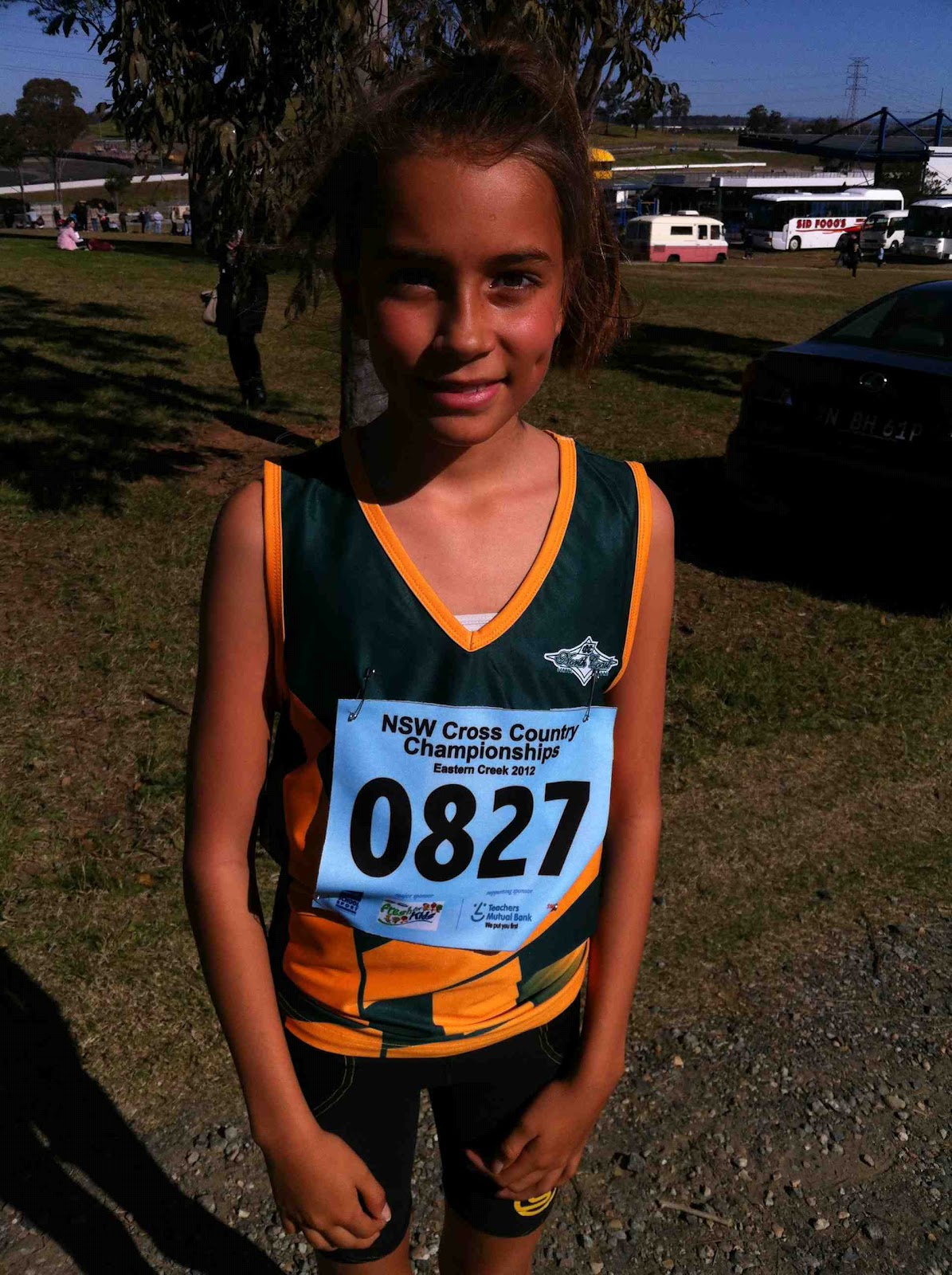
今回の旅は、パチャの健脚によって実現しました。彼女は7月20日にシドニーで行われたクロスカントリー州大会の選手に選ばれたのです。

私たちは、州レベルの大会で成功をおさめるには相当のトレーニングが必要なのではないか(私たちはしてこなかったけど)という疑念を抱きつつも、あまりレースについて神経質にならないようにしようと決めました。それでも、80人の細い脚の少女の集団がスタートした時、パチャの脈は激しくなっていました。

彼女は57番目でゴールしました。一流の運動選手になるためには、それなりの覚悟と献身的な努力(ときには苦しいほどの!)が必要だということを思い知らされました。ヤニは、パチャが断固とした表情で走りすぎて行くのを誇らしげな気持ちで見つめながら、「がんばれ、パチャ!」とあらん限りの声で叫んでいました。


競技の後、友達の家へ向かうために、私たちはシドニーの中心部を車で通り抜けなければなりませんでした。パチャは私の携帯電話を使って地図を読み、ナビゲーターを務めてくれたのですが、彼女の働きぶりは見事でした!

私は、携帯のバッテリーが目的地に着くまでもつだろうかと心配し、また、四車線いっぱいの車やバスやトラックが気になって仕方ありませんでした。私にとって大都市でのドライブは、海の裂け目に陥ってしまうより恐ろしく感じました。
道を間違えて曲がってしまったかと思った私は、たわいのない質問をしていたヤニをさえぎり、パチャにすぐに正しい道を見つけて!と指示しました。このときの私ときたら、まったく恥ずかしいほどに取り乱していました。でも、驚くべきことに、パチャは何とか正しい道を見つけたのです!車のナビにおいて、金メダルに値するできごとでした。

私たちは今回の旅を最大限に利用しました。学校を一週間休んで、いとこたちと遊んだり、雪を経験したり、博物館やギャラリーを訪れたり、また、しばらくご無沙汰で、私たちの「ギャップイヤー」ともいえるスロー・アースの旅が11月に始まるまでは会えない友達や家族と連絡を取ったりというようなことをしました。

◆ ◆ ◆ ◆ ◆

次の週末、パチャはコフス・ハーバーで行われた、ニュー・サウス・ウェールズ州のサーフィン大会に出場しました。美しい寄せ波と、非常に多くの真剣な若いサーファーが来ていた輝かしい日でした。(サーフィン生活に完全にのめりこんでいるようなかなり真剣な顔つきの親や家族もいて、私は少し場違いな気がしました。) 

パチャは、12歳以下の少女の部の準決勝を突破することはできませんでしたが、少しずつ自分が上達しているという感覚をつかんだようです。大会を経験したことによって、彼女ももっと練習しようという気になったし、また大会に出たいという気になったと言っています。

私たちが旅から学んだ最大の教訓は、天性の才能は重要だが、深くかかわること、献身的な努力、そして一種とりつかれたようになることも、スポーツ(実際にはほかのものでも)のようなものにおいて、本当に秀でるためには必要だ、ということです。私たちは何に時間とエネルギーを割くべきか、注意深く選ぶ必要があります。そのことが、私たち家族は、私たちやほかの人々に何よりも喜びを与えてくれることを愛しむのです。なので、これからも、歌や踊りやサーフィン、そして地球を思いやることを続けていきます。

【翻訳:平戸実生】

2012-08-09

Covering distance...


 Slow Mother Blog (July)
we found the snow!
We’ve been travelling - moving from our home to visit my brother and his family in Canberra, experience the big city of Sydney, as well as to Coffs Harbour for surfing.
Pacha’s legs led us on this journey – her long distance running qualified her for the state cross-country race held in Sydney on the 20th July.  We were determined not to feel too stressed about the race, with the suspicion that at this level of competition a lot of training (which we didn’t do) would be needed to do well. Still, Pacha’s pulse was racing as she took off in the mob of 80 other skinny-legged girls. She came 57th. Humbling enough to understand the commitment and dedication (and sometimes pain!) required to become a top athlete. Yani watched on, full of pride and with the loudest voice screaming ‘go Pacha!!’ as she determinedly jogged past.
After the competition we had to drive through the centre of Sydney city’s traffic to find our way to my friend’s house. Pacha was my navigator using my phone to follow the map – she was amazing. Here I was; stressed about whether the phone would have enough battery power to last us all the way to our destination, worried about the cars, busses and trucks filling 4 lanes - it felt more frightening to me than being caught in a rip in the ocean - I panicked as it seemed that we had taken the wrong turn – snapping at Yani as he asked some silly questions and demanding that Pacha find the right way NOW!!! It was embarrassing to feel so out of control – but amazingly Pacha held it together and found our way. I think she deserved a gold medal for that!
We made the most of the travelling opportunity - taking a week off school to do things like play with cousins, experience the snow, visit museums and art galleries and connect with friends and family who we haven’t seen for a while and may not see till after our ‘gap’ year slow earth journey starting in November. 
 The following weekend Pacha entered the NSW state surfing competition in Coffs Harbour. It was a glorious day, with beautiful surf and many, many very serious young surfers! (with quite serious looking parents and families who looked totally committed to a surfing life…I felt a little out of place…). Although Pacha didn’t get past the semi-finals in the under 12 girls – she did have the sense that she is improving little by little. Pacha says ‘the experience motivated me to practise more and want to do it again’.  

The biggest lesson from our trip was realising that while natural talent is important – commitment, dedication and a kind of obsession is needed to really excel in something like a sport (or anything really...). We need to choose carefully what it is to give our time and energy to. In the meantime, our family loves doing what give us and others joy more than anything else…so we’ll keep singing, dancing, surfing and practising caring for the Earth…

2012-07-31

7/23和訳:鉛の心臓?


福島第一原発事故の収束作業にあたっていた作業員の被ばく線量を低く見せるために、彼らの線量計を鉛のカバーで覆わせていたという東京電力の下請け会社の話は、私を心の底から震えあがらせました。

仕事やお金を得ることは、生きることよりも大事なのでしょうか?
いのちの危険をもたらす原子力をなおも主張し続ける政治家やビジネスマンたちが、この作業員たちと同じ立場に置かれたら?

彼らの心臓は鉛で覆われているとでもいうのかしら?

【翻訳:田中みのり】

2012-07-23

Leaden Hearts?


The story about the TEPCO subcontractor who made his workers cover their dosimeters with lead plating to lower the readings shocked me to the core.
Is having a job/money more important than staying alive?
Is that what's happened to the politicians and corporate businessmen who keep insisting on deadly nuclear power?
Are their hearts encased in lead?


2012-06-30

6/21和訳:「夏(冬)至の日」によせて


こちら南半球の世界では、今日で冬の曲がり角を過ぎました。

今日は雲ひとつない美しい青空の日で、これからお日さまの暖かさと昼の長さがちょっとずつ増えていくんだと自分に言い聞かせています。保存しておいた種を選り分け、春に向けてベジガーデンの植え付けの計画を立てる作業はとてもワクワクするものです。

そして、心の奥では、日本でのキャンドルナイトのことを考えています。たくさんの日本の友人が、家族や地域の人と集まり、電気のスイッチを消して、その代わりに夢や祈り、そして希望や再生に向けたビジョンにスイッチを入れる様子に思いを馳せています。

台風が日本の南を移動している映像を、キャンドルナイトの前に見て、人間がどれだけ自然をコントロールしようとしても、自然の力にはとうてい及ばないことを改めて感じました。日本にとって今まさに大事な時であり、日本の人々が取り組んでいる脱原発運動が成功するよう祈っています。

◆ 

パチャのクロスカントリーレース

ここオーストラリアでは、屋外で焚き火をしながらパンケーキを焼いたり、屋内でだるまストーブに鍋をかけてスープをとろとろ煮て、夜を過ごしています。週末には友人たちと海辺に集まり、冬至を一緒に祝う予定です。私たちは、こんな昼の短い日でさえも、いのちとのつながりを育もうと決めました。


毎年、一年のこの時期には、忙しさを減らし、もっと休むことを心がけてきました。でもどういうわけか、私の毎日はまだまだあまりにも慌ただしいのです・・・。


「忙しい」理由のひとつは、パチャとヤニのスケジュールをやりくりしなければならないこと。というのも、ダンス大会や陸上競技会、タレントオーディション、歌の集いやランニングとサーフィンの州大会など、全て来月に予定されているのです!

彼らの専属マネージャーでいるだけでも忙しいのに、さらに、壊れた水の配管や車の修理、庭の手入れ、馬のオリーの世話、料理や洗濯(洗濯機が動かないので手洗い)もあるのです。そして、これらの合間に、ようやく、私がいちばん大切にしていることに時間を使うことができます。それは国際的なパラダイムのシフトに向けて働きかけることです。


この数ヶ月間、私はヘレナ・ノーバーグ=ホッジ(ローカリゼーション運動のリーダー)とISECの仕事を支援してきました。偉大で素晴らしいアイデアがこの地球上でまたたく間に広まるのを見られることは、知性を刺激され、励まされることです。


フェイスブック、そして大手メディアの論調からさえも、私は何かがいい方向に動き出していると感じます。断絶されたつながりの回復や本質的なものへの憧れ、慈愛を求める心に対する共感の高まりが見られるのです。


最近少し疲れ気味でしたが、今は、全てのことを心からありがたく感じます。目を向ければ、いつだって自由や美しさ、喜びはそこにあり、私たちは意義深い人生を送ることができるのです。

【翻訳:小山邦子】

サーフィンには洗濯物を干すヒモが必需品!

2012-06-21

Solstice


Pacha and Yani surfing last weekend
beautiful beach sky


Slow Mother Blog  
Solstice
Today we have ‘turned the corner’ of winter in our part of the world. It is a beautiful clear blue-sky day today and I convince myself that there is tiny increase in the warmth of the sun and length of the day since yesterday! I excitedly contemplate sorting out my saved seeds and planning the next stage of the vegie garden!
In the back of my mind I’ve also been thinking about candlenight in Japan –  seeing, in my minds eye, many friends getting together with their families and communities , switching off the lights and switching on their dreams, prayers and visions of hope and renewal.  The image of the typhoon moving through the south of Japan just before candlenight, reminded me of the forces that are so much more powerful than mere humans, despite our futile attempts to control them.  It is such an important time for Japan and I pray that the people’s movement to let go of dangerous nuclear power is successful…
...important to have a clothesline...
Here, in Australia, we have had a few evenings cooking damper on a bonfire outside, or simmering soup on the pot-belly stove inside. On the weekend we’ll gather with our friends on the beach to celebrate solstice together. We are determined to nurture our connections with life – even on these shorter days. We’ve also been trying to remember that we should be ‘doing’ less and resting more in this time of year – but somehow life is still too hectic.
Pacha - cross-country racing
It’s partly the juggling of Pacha and Yani’s seemingly endless activities: dance concerts, athletics carnival, talent show, singing eisteddfod, along with competing in state running and surfing competitions – all within the next month!  Its busy being their fulltime manager - along with repairing broken water pipes, getting the car fixed, managing the garden, caring for Ollie, cooking and cleaning (including hand-washing – the washing machine has stopped)…In the spaces in between all this I get to spend time on the most important thing of all – working toward a global paradigm shift…


Over the past couple of months I’ve been working to support Helena Norberg-Hodge (leader of the localisation movement) and ISEC’s work.  It has been so intellectually stimulating and invigorating to be witnessing the big, good ideas sweeping across the planet. As I watch the trending topics on facebook (and even on mainstream media) - the yearning for meaning, reconnection, a sense of authenticity and reality, the call for compassion – I sense that something is shifting in a good way. 
Despite feeling a little tired lately, I feel so very grateful – for everything! For being able to live a meaningful life - with freedom, with awareness of the beauty and joy that is there in every moment if we remember to look…

2012-06-09

6/6和訳:「遊び」を取り戻す

21世紀において、私たち大人は、子どもたちの互いに触発され高め合っていくための純真さ、無垢さ、きらめき、知恵、直感といった素晴らしい資質に学ぶべきでしょう。若い世代こそが、輝かしい未来である平和な世界に向けて主導的な役割を担っていくのです。「地球上が平和で満ちあふれますように(May Peace Prevail on Earth」」とは五井平和財団が掲げるスローガンです。

先週末、私は子供たちや若い人々が、平和で生きる目的に満ちた姿を観て、明るい将来のひとしずくを垣間見た気がしました。金曜日の夕方、子供たちと私は仲の良い友人が持っていたドキュメンタリー映画「Play Again」の自主上映会を手伝いました。この映画はアメリカの10代の若者たちが、デヴィッド・スズキ、ビル・マッキンべン、リチャード・ルーブといった影響力のある大人たちとともに、デジタル社会での暮らしから、自然に還っていく体験を追ったものです。

上映会にいた観客のほとんどは、少人数だったとはいえ、現代の子どもたちが1日15時間もデジタル技術の中で過ごしていること!にすでに気付いていました。つまり、この映画を本当に必要とする子どもたちは、今も家の中でテレビやコンピューターゲームをしている・・・そう思うと少し悲しくもありました。

ここにいる私たちは皆、可能な限り外の自然のなかで過ごそう、「ホンモノの時間」を生きよう、という生活スタイルをすでに選択しています。映画を観ながら、「この映画が人々がコンピューター依存症から降りる手助けとなりますように」と願うなんて、皮肉なものですね。

しかし私にとっては、その場にいた子どもたちこそが、夜のホンモノの主役であり、ポジティブな変革を喚起するために私たちが必要としているお手本でした。

開場時、パチャは自発的に受付に立ち、人々を迎えながら、鑑賞料の寄附を受け取っていました。ヤニは皮をむく必要のあるマカデミアナッツをいくつか手に取り、何か手伝うことはないか、主催者にきちんと確認していました。

子供たちは自分のやったことが褒められる機会があれば、どんどん参加してくるものです。ヤニに引き続き、いろんな子どもたちが、マカデミアナッツの皮をむき、観客に分けるためにボウルに分けるといったお手伝いをしてくれました。私たちが人と会ったり、挨拶をしていたり、大人同士で連絡を取り合っている間、その場にいた十人くらいの子どもたちは、誰ひとり、電子機器なしで、一緒に遊んでいました。パチャは年下の女の子たちにダンスの動きをいくつか教えてあげていて、ヤニは男の子たちと外で念入りに木の実を割っていました。

上映会がスタートするころには、隣に座った女の子の髪をおさげに結ってあげるヤニや、友人の一歳の赤ちゃんをあやすパチャなど、子供たちみんなが、信頼関係に基づいた接し方をしていました。それは、とても平和で、ただしいあり方でした。
現代グローバル社会の象徴である強力なデジタル文化がどんなに強力であっても、お互いつながっていたいという深いところにある本能が今も存在するんだということが、このような愛らしい形で証明されました。

私たちが電子的なノイズを出来る限り制限しながら子供たちを優しくサポートできれば、彼らは自分たちの中で、秩序を保つことができます。そして、私たちは皆何とかしてそのことを理解せねばなりません。それが、未来にむけて希望はまだあるという望みにつながるからです。


翌日は、パチャが地域のサーフ大会に参加するため、朝5時に出発し、2時間半かけて南にあるスコットヘッドへ出かけました。そこに行くにはそれなりに出費がかかります。しかし、私たちは何よりもサーフィンを優先したので、子供たちは楽しそうに節約していました。私は少しでも食べ物にかけるお金を節約しようと、レンズ豆と御飯を持って行きました。私たち家族が一番好きなスポーツはサーフィンなのですから!

私にとってサーフィンは、母なる大地の血液である塩辛い海の中で、自然ともっとも深くつながる経験ができるものの一つです。毎回私たちはサーフィンマジックにかかります。イルカ、カメ、クジラにあったり、荒れ狂う流れにあったり、海が刻々と変化する様子を見たり。時々、フィンが壊れたり、頭にこぶができたり、パドリングで腕を痛めたり、といった苦痛を伴います。時々私たちはとても強い波の力を目の当たりにし、その深い海の中の「裏側」では、一体何が私たちの真下にひそんでいるのかという恐れを感じます。

不快だし、砂まみれになるし、寒いこともあるし、予測できないことがたくさん起こるけれど、いつも私たちは”生きている”という感覚を満たしてくれるのです。そして毎回私たちは少しずつうまくなるので、また何度も何度も行きたくなるのです。筋肉は鍛えられ、バランス感覚は改善され、勇気と謙虚さが発達し、冷たい水と暖かい太陽とで刺激され、血液のめぐりがよくなり・・・ そう!サーフィンに完全にやられてしまっています!

サーフィンという競技については少し複雑な思いがあります。というのも正直サーフィンを愛する心というのは、実に内面的で神秘的であるので、競争するということと相反するのではないかと思っているからです。それなのに、地元のボードライダースクラブの中にはいって、見て、学んで、うまくなりたいと願う私たち。(ああ、我々人間の持つ矛盾ですね!)

パチャとヤニが上達するとともに、彼らは周りの子供たちにも影響を与えます。それは、一生懸命努力したり、テレビの前に座る代わりに、両親にビーチに連れて行けとしつこくせがんだりといったことをやってみようとすることです。・・・これは良いことだと思いませんか?

私たちは新しい人々、新しい場所に期待でいっぱいでした。メインテントまで歩いていくと、パチャは12歳以下の女の子の部でたった一人の挑戦者だということがわかりました。それ以外には18歳以下の部に一人しかいなかったのです!男子の部はたくさんあって、18歳以下、16歳以下、14歳以下、12歳以下、と予選が行われていました・・・パチャもそこに行こうとしましたが、自分自身と戦うために離れました。水の中で一緒にサーフィンをしている多くの若い子供たちの特別なエネルギーが集まると、波を最大限に活かすため、少なくとも5時間は水の中で過ごすことをやめません。

ようやく本日一番のハイライトである、女の子部門の予選の時間がやってきました!主催者はパチャと18歳以下の競争相手、ココと一緒にしました。-そして20分の予選にヤニも参加させたのです。

ココは自分のサーフィンの腕前を審判に印象付けることにに気をもむ代わりに、ヤニとパチャが波に乗れるように助けることにほとんどの時間を費やしました。あの日の競技会にいた誰もが献身的なココの振る舞いの影響に感激しました。パチャとヤニにとっても、真の良いサーファーとして、また真の人間としてどうあるべきかを学ぶ、よい機会となったことでしょう。


【翻訳:間宮加奈子】

2012-06-06

Playing Again


Slow Mother Blog
Playing Again…
“In the 21st century, adults shall learn from the wonderful qualities of children, such as their purity, innocence, radiance, wisdom and intuition, to inspire and uplift one another. The young generation shall play a leading role in the creation of peace for a bright future.

May Peace Prevail on Earth”
Last weekend, I watched as the children and young people showed glimpses of a bright future, full of peace and purpose…
On Friday evening the kids and I helped our good friends hold a movie showing of the documentary ‘Play Again’ (http://playagainfilm.com/). It follows the experience of American teenagers experiencing nature again (after a lifetime of the digital world) with commentaries by such inspiring people as David Suzuki, Bill McKibben and Richard Louv.  It was a little sad that every member of the rather small audience were already very much aware of the problem - with modern children spending up to 15 hours per day on digital technology – and that most people who really needed to watch it were probably at home - inside - watching TV or playing computer games. All of us there had already made lifestyle choices to spend as much time as possible outside in nature, living a ‘real-time’ life. It was also ironic that we were hoping that watching a movie would help us wake people up to spending less time watching screens! 
But to me, the children there were the real stars of the evening and the example we need to inspire positive change. As we were waiting for the audience to gather, Pacha volunteered to be at the front counter, welcoming people and receiving their donation for the viewing. Yani spotted some macadamia nuts that needed peeling and politely asked the hosts if he could help. All the kids that came in from that time had a practical, rewarding thing to do then - working together to peel macadamias and put them in a bowl to share with the audience.
Out of the corner of my eye, as we were meeting and greeting and ‘catching-up’ with the adults, I saw all the kids (10 in all) playing together – none had an electronic device of any kind. Pacha was teaching the younger girls some dance moves, Yani was diligently cracking nuts outside with the boys. As the event started, Pacha entertained our friend’s one year old baby while Yani began braiding the hair of the girl who sat beside him, and all the kids just settled down in trust and in physical contact with each other – so peaceful, so right.
It was just such a lovely reassurance that despite the intense influences of the modern, global, digital culture – the deeper instincts of connection with each other, with practical purpose, with nature - were alive and present. If we can just gently support our children, do our best to limit the electronic ‘noise’, be honest that it is there in their world and we all have to somehow make sense of it  - there is still hope in finding a way forward.
The next morning we set off at 5am to travel 2 and a half hours south to Scotts Head for Pacha to participate in a regional surf competition. It’s a pretty big commitment to get there – but the kids seem happy to do with less so that we can make this a priority. I prepared lentil dahl and rice to bring along so we wouldn’t need to spend any money on buying food.
As a family we have decided that surfing is our favourite ‘sport’. For me it is one of the most profound experiences of connection with nature, in that great salty ocean – blood of Mother Earth. Everytime we surf magic happens; dolphins, turtles, whales, raging tides, the changing moods of the sea. Sometimes there is pain involved; fin chops, bumps on the head, aching arms from paddling… Sometimes there is fear as we face the power of the mighty waves and wonder what lurks underneath us way out ‘the back’ in the deep sea. It can be uncomfortable and sandy and cold and notoriously unpredictable – but it always makes us feel fully ‘alive’. And every time we surf we get that little bit better, which makes us want to go out again and again. Our muscles strengthen, our balance improves, our courage and our humility develops, our circulation stimulated by the cool water and the warm sun…Yes; we are smitten by surfing!
The competition side of surfing is always a little complicated – in truth competition is the antithesis of the love of surfing – that’s so intensely personal and mysterious. Yet, being part of the local boardriders club, watching and learning and wanting to improve, motivates us all to want to do better (ah the contradictions of our human existence!).  As Pacha and Yani improve they influence the kids around them to give it a try - or to try harder, to nag their parents to take them to the beach instead of sitting in front of their flat screens…this has to be a good thing?
So there we were, full of anticipation, in a new place with new people, walking up to the main tent and realising that Pacha was the only competitor for the under 12 girls division – there was only one other girl in the under 18s competition!  There were heaps of boys, with many heats taking place for the under 18s, 16s, 14s and 12s…but there was Pacha, rearing to go, left to compete against herself! It didn’t stop the kids from spending at least 5 hours in the water taking full advantage of the waves with the special collective energy of many young kids in the water all surfing together.
Finally, the great highlight of the day came when it was time for the girl’s heat. The organisers sent Pacha and the girls under 18 year old competitor, Coco, out together  - and even let Yani out to join in their 20 minute heat. Coco spent almost the whole time helping Yani and Pacha get onto waves instead of worrying about impressing the judges with her own surfing prowess. The influence of that selfless behaviour on every person who was at the competition that day, was priceless. Pacha and Yani have had a deep lesson in what makes a really good surfer and a real human being. 

2012-05-31

5/28和訳:「競争」について考える

スローでスモールでシンプルなライフスタイルを提唱しながら、自分の子どもたちが試合や競争で活躍するのを見て、わくわくしたり誇りに思ったりしてもいいのでしょうか?
自分と他人を比較するのは絶対にすべきではないことでしょうか?

もっと早く、もっと大きく、もっともっと“ベスト”にという自我に突き進む世界に捕まることなく、どうしたら自分や子どもたちの自尊心を育むことができるのでしょう?

先週の金曜日、パチャとヤニは2人とも“地域別”クロスカントリー・ランニングのレースに参加しました(今年彼らの学校からこのレベルまで来れたのはたった3人で、パチャとヤニはそのうちの2人)。つまり2人ともかなり健康的で鍛えられていて、たくさんの時間を外で“身体的に”活動してきたのです。スタート地点に並んだヤニの身体が、長距離走に合ったタイプではない(背が高くて細い)ということはかなり明らかでした。でも彼はベストを尽くして38位でゴールしたのです。

パチャは(ヤニが言うにはバッタみたいな体つき)3位に入って次のレベルに進むことになりました。パチャはそこまで行けたことに興奮して(そして少しプレッシャーを感じて)、次のレースでは上位6位に食い込んで、州の選手権が行われるシドニーで走るチャンスを掴むという目標を見据えました。

これまで私が子どもたちに繰り返し言ってきたことは、ベストを尽しなさいということと、楽しんで!ということです。でも現実には、クロスカントリー・ランニングの選手権なんてそんなに“楽しい”ものではありません…きついし、疲労困憊するし、かなりつらい思いだってするようなことなのです。

パチャもヤニも、今回の体験を通して「いい人生」を送るためのレッスン(結果を得るために努力をすること、あきらめないこと)を学びました。でも子どもたちのそのプロセスは、私にとっては、自分の世界観(スロー、スモール、シンプル)と矛盾する、何かで“ベスト”になることを絶えず強く求められる状況に立ち向かうことでした。

一体私はどこまでパチャのこの競争をサポートしてあげればいいのでしょう?それともがんばる必要は全然ないと助言してあげればいいのでしょうか?子どもたちが人生の中でこういった努力する場面に直面したとき、私が彼らをサポートするために時間とエネルギーを使えば使うほど、私自身の人生の”追求”(人生を育むために私が出来るあらゆること)ができなくなったりもするのです。

時々私はこういう風に心の中で正当化してみます。パチャとヤニがもっと“成功”を収めれば、私たちのスローでスモールでシンプルなライフスタイルの選択がもっと一般社会から認められ、人を惹きつけるかもしれない、と。でも、よくはわかりません。私は地球の”いのち”を救おうともがいて、できそうなことは全てやってみようと少し絶望的になって、ただ困惑しているだけなのかもしれません。


私たちは、スロー・スモール・シンプルな暮らしを模索するなかで、富=成功という近代西洋的な価値観をすでに手放してきました。次のステップは、どう競争から降りていくか、なのかもしれません。

(翻訳:西嶋明子)

2012-05-29

The confusing concept of competition


Slow Mother Blog
May 28, 2012
The confusing concept of ‘competition’
Is it ok to promote a slow, small, simple lifestyle, yet feel excitement and pride watching my children do well in a race or competition?
Should we ever ‘compare’ ourselves with others? 
How do we nurture self-esteem in ourselves and our children without being caught up in an ego-driven world of faster, bigger, more – ‘best’?
Last Friday both Pacha and Yani raced in the ‘zone’ cross country running competition (being 2 of only 3 kids in their school to make it to that level this year). This means that they’re pretty fit and healthy and spend a lot of time outside being ‘physical’. In lining up at the start it was pretty obvious that Yani didn’t really have the body type (long and thin) for long distance running – but he did his best and finished the race in 38th place.
Pacha (whose body does rather look like a grasshopper - as Yani pointed out) came third and will move on to the ‘next level’. Pacha is excited (and a little stressed) to get that far, and has set her sights for the top 6 at the next race so she gets a chance to run in Sydney for the state titles.
My constant refrain to my kids is to try to do the best you can and HAVE FUN! But the reality is that competition cross-country running isn’t really much ‘fun’ - it’s hard and exhausting and can be quite painful! Both Pacha and Yani have learnt good life lessons through the experience  (about putting in effort to get results and not giving up) but I’m grappling with the contradictions in my own world-view (of slow, small and simple) and the deep, constantly reinforced conditioning about being the ‘best’ at something.
How far do I support Pacha in her quest, or should I counsel her not to try at all? The more time and energy I give to supporting my kids in these kinds of life endeavours also means having less to give my own life ‘quest’ (doing whatever I can do to nurture life).  
Sometimes I justify it in my mind like this: the more ‘success’ Pacha and Yani have, the more trust/attraction from mainstream society there may be of our slow, small, simple lifestyle choices. But I’m not sure – I may just be confused and a little desperate in trying to find ways to be at all effective in the struggle to save life on Earth…
We’re already trying to ‘let go’ of comparing ourselves by what we have been conditioned to believe is the main measure of success in the modern western culture: monetary wealth – does the next step involve rejecting competition?

2012-05-15

5/4和訳:「貧しさ」について考える


今朝のことです。二粒の涙が、静かにパチャの頬をつたいました。

パチャは彼女の願望を私に訴えていました。「ママは私が買いたいものをいつもダメって言う。けど、友だちのママはいいって言ってるよ」当然のことながら、パチャの友人たちはたくさんの新しいモノに囲まれているのだそう。

彼女は、クラスメートと同じような流行りの服を着たいだけ、そうすることで一緒に遊んでもらえると言います。もちろん、私は、その流行りの新しい服がどこからきて(中国)、どうやって作られたのか(児童労働)をパチャに話しはじめました。
すると彼女は「どうしていつもそういう話ばかりするの?」と取り乱したのです。

私はその話をいったんやめて、パチャが私の子ども時代よりどんなにたくさんのいい服を持っているか(ぜんぶお古だけど)、学校の制服さえ母の手作りだった私は、他の子と同じ格好などありえなかったことを話しました。

パチャは私の言葉に聞き入っています。私は、私たち家族は、お金で手に入れるモノよりも、人や自然との体験を大切にしていること、そして、その価値観は周りとは違うかもしれない、ということを伝えました。

パチャは「ママの言うことはぜんぶ分かっている。それでも、「新しい」ものを買ってみたい」と言うので、「次に町に出かけた時、あなたが大道芸で稼いたお金で、欲しい服を買ったらいいわ」と答えました。

数分後、パチャは取り乱したことを謝罪しました。私は彼女をぎゅっと抱きしめて、こう言いました。「そう考えるのはおかしいことではないのよ。私たちが、オーストラリアの「一般的な」家庭とは違った価値観なだけ」

この事件?をきっかけに、私は最近あった他のできごとを思い出しました。


先日、前の学校で一緒だった男の子が、他の子たちがいる前で、パチャに「お前ん家は貧乏だ」と言いました。パチャは毅然とした態度でこう切り返しました。「そうね。だったらどうして、私たち家族は今年、世界旅行に行けるのかしら?」
それでもやっぱり、パチャには彼の罵りがこたえたようです。

もしかしたら、その男の子が「貧乏」と言ったのは、他の悪口(デブ、みっともない、クズなど)が効かなかった時に使う言葉なのかもしれません。

実際、世間はいとも簡単に、私たちに「貧乏」というレッテルを貼りますし、私たちの収入がオーストラリアの一般家庭より少ないのも事実です。

けれども、私たちには多くのものがあります。それは快適な家であり、満足するだけの食べ物、そして、人々にとって最も重要な健康や幸福、目的、快活さや自由に恵まれています。それらはきっと、世界に暮らす大多数の人たちが夢に描く以上のものでしょう。


世界規模での消費社会は、ますます強力に私たちに迫ってきます。ジャングルの奥深くでさえ、衛星テレビから絶え間なく「もっと大きく、より速く、たくさん」をよしとする内容が流れています。そこでは、富を得ることによる「成功」のみが重要視されています。まさにこの考えによって、私たちは自然や人とのつながりから切り離されているのです。

ローカリゼーション運動のパイオニアであるヘレナ・ノーバーグ=ホッジさんは、最近のラジオインタビューでこう指摘しました。「あなたが新しいステータスを手に入れるほど、周りの人たちに妬みや喪失感を与えるのです」

私は、陸上、ダンス、歌、サーフィンなど、子どもたちがやりたがることはなんでも、最大限力を発揮できるよう応援しています。身体的な能力は、私たちの物質的制約を補ってくれると信じているからです。

彼らが他の子よりも上手にできた時、他人と比較している自分に罪悪感も抱きながらも、「母として自分は正しいことをやっているのだ」と、私はそっと胸をなでおろすのです。

いのちのために。
アンニャ

追伸:このテーマに関して、Facebook上でたくさんの反響がありました。英語ですが、興味がある方は、https://www.facebook.com/anja.light/posts/2820775088124を見て下さい。
(写真 パチャとヤニは、地域のヒップホップコンテストで新しいスキルを習得しました!)

【翻訳:小山邦子】

2012-05-04

Who/what's 'Poor'?


Slow Mother Blog  (May 2. 2012)
Two tears silently slid down Pacha’s cheeks this morning.
She was telling me about her dream.
In it whenever she asked me if she could buy something I said ‘no’, but her friend’s mother said ‘yes’, so her friend ended up with lots of new things.
Pacha says she just wants to ‘fit in’ with her friends at school and look like them with the modern clothing styles. Of course I started talking about where these ‘new’ clothes come from (China) and how they are made – and she became more upset and asked why I have to bring up all this stuff all the time. I stopped. I talked about how she had many more nice clothes (all secondhand) than I ever had growing up and that Mum made my school uniforms and they never looked like anyone else’s. She just looked at me. Then I talked about how we just have different priorities and value experiences more than things to buy. She said she knew all that but she just once wanted to have the experience of buying something ‘new’. 
So, I said yes, of course, next time we were near a shopping centre, she could spend some of her busking money buying a trendy clothes item if she wanted to. A few minutes later Pacha apologised for being upset and I gave her a hug and said that it was completely normal to feel like this – we do live differently from ‘normal’ households in Australia.
It reminded me of another recent episode where a boy from her old school told her she was ‘poor’ in front of a few other friends. Her response was quick and positive; ‘well, if I’m so poor, how come we are going travelling this year?’  But it still hurt. (I think that being called ‘poor’ may be mocking of the last resort when other taunts (fat, ugly, dumb etc) may not get the desired result (power over)).
The truth is people could easily say we are ‘poor’. We have a tiny income compared to Australian standards, yet we have more than most of the world can dream of. We have a comfortable home, enough food to eat, and the most important things in abundance – health, happiness, purpose, exuberance, freedom…
The pressure of the global consumer society is intense and ever present. We all feel it wherever we are, even in the deepest jungle where the satellite TV feeds a constant diet of ‘bigger, faster, more’ thinking.  The pressure to project an image of wealth and ‘success’ is all-important, and yet this more than anything else separates us from other people. As localisation leader, Helena Norberg-Hodge pointed out in a recent radio interview, when you get a new status symbol, it doesn’t make other people feel good, it just makes them feel envious and deprived.
The truth is (perhaps to make up for the limitations in our life) I do encourage my children to be the best they can be; in the athletic races, their dancing and singing, their surfing – with whatever they love to do. And when they excel I feel quietly assured that as a mother, I am doing the right thing (but also a little guilty that comparing ourselves with others still matters at all).
For Life, 
Anja
PS. there were a lot of responses on a facebook thread on this subject - if you want to take a look: https://www.facebook.com/anja.light/posts/2820775088124
 (Pacha and Yani learn some new Hip-Hop moves at the 'Crankfest' in Evans Heads)

2012-04-25

4/21和訳:キャンドルナイトツアー報告・その2


再び、3月の、福島の悲劇から1年という節目に訪れた日本での日々を思い出しています。私の心に浮かんでくるのは・・・、「小さなものごとにこそ感謝したい」ということ。

私が滞在した2週間ちょっとの日々、笑顔を交わすことで、胸の内をわかちあうことで、一緒に歌うことで、今、この瞬間に「いる」ことで、電車の中でさえ、見知らぬ人と友達になることができました。

北海道の函館では、ナマケモノ倶楽部初期メンバーのピーター・ハウレットさんについに会うことができました。初対面なのに、長年ご無沙汰だった兄弟に出会ったよう!地球を気遣う心を持ち合わせた家族に出迎えられたような気持ちになりました。 

彼は、ユーモアと善了さを兼ね備えた「がんばる」ナマケモノ。行政、市民、ビジネスマンからアーティストまで、幅広い人々とのネットワークを築きながら、環境問題のポジティブな解決に向けて一緒に取り組もうとしています。その一方で、家族の暮らしを支えるために、様々な矛盾とも向き合っています。

50時間ほどの滞在だったのですが、ラジオの取材と夜の講演会の間に、私たちは彼が取り組んでいる市民風車プロジェクトを訪れたり、音楽のセッションをやったり、ビジネスミーティングにも参加しました。

「ラッキー・ピエロ」という、ファーストフードのハンバーガー屋さん(!)を訪れそこで昼食を食べたのですが、なんとここで出す食材は、すべて地元から調達しているのだそう。従業員はといえば、その多くが中年のおばさま方。地域の雇用対策にも貢献しているとのことでした。

その取り組みじたいは、小さな会社の小さな取り組みかもしれません。けれども、そういう企業と、強いコミュニティ意識をもった人々が糸を織りなすようにつながることで、よりよい地域社会に向けての基盤となるのです。

そのひとつの例が、ピーターたちが暮らす七飯町にもちあがった「大トチの木」伐採問題です。そのトチの木は、高速道路拡張計画が発表されるまで、誰にも気づかれることなく立っていました。事前の考古学調査で、偶然、スタッフが、彼の家のすぐそばに立つその木の元に、彼の息子を連れて行ったのです。

ピーターは、小さな木立に立つ大きな木が、実は、北海道で最後の大トチの木であることに気づきました。そして、町民一体となって、拡張工事を変更させ、その木を守り抜くことに成功したのです。

雪のじゅうたんの上に落ちていた大トチの木の皮を東京に持ち帰った私は、お守りのようにそれをポケットに入れて持ち歩き、イベントでピーターの話をしては、木の皮を手でそっと握ります。

いのちを、そして、人々がそのいのちを守るためにどうやってつながったかを忘れないために。

【翻訳:馬場直子】

2012-04-21

Japan Candlenight Tour part 2


Slow Mother Blog

Candlenight tour part 2

I’ve been reflecting again on visiting Japan to commemorate the first anniversary of the ongoing Fukushima disaster and the thought that keeps coming to my mind is: ‘We are thankful for small things.’

There were so many moments of connection through laughter, through sharing our deepest feelings, through singing together, through being present in the moment - making friends with strangers on a train. Little things.

In Hakodate, Hokkaido I met Peter Howlett for the first time after over 10 years of ‘connection’ through the Sloth Club. It was like meeting a long lost brother - feeling welcomed into a family of like-minded Earth carers. He’s a very good Sloth; full of humour and light-heartedness, finding common ground to work on positive solutions with a wide range of people from businessmen to artists, reconciling the contradictions of ‘making a living’ to support his family while challenging the dominant systems of thinking that have created the environmental and social crisis. In the space of 50 short hours, in between radio interviews and presentations, we visited wind turbines, had music jams and business meetings – we even had lunch at a ‘fastfood’ hamburger chain that pledges to purchase only local produce for its menu and employs mostly mature age women to provide employment opportunities for this age bracket.

It seemed to be the small things; the coincidences; the spontaneous actions and loving responses that has woven such a strong community spirit together building a foundation for the common good. One of those stories was about a local tree that was to be cut down to make room for a highway extension. No-one had really even noticed the tree until the highway plan and an archeological survey brought Peter’s son to visit the area which (coincidentally?) was very close to their family house. Peter noticed a very large tree in the tiny grove and promptly discovered that it was the largest one left in all of Hokkaido – the horsechestnut tree of Nanae – and the community successfully rallied together to protect it.

I picked up a small piece of bark that had fallen onto the snow blanketed ground below and carried it back to Tokyo, keeping it in my pocket as a talisman bringing it along to all the events, holding it in my hand to be remember...Life - and the way we connect with each other to protect it.

2012-04-11

4/4和訳:オーストラリアのイースター


もうすぐ、イースター休暇ですね。でも、ここオーストラリアでは、イースターが馬鹿げたものに成り下がっているのです。
そもそも、イースターとは、北半球において、春が深まるのに合わせて、新たな生命を祝うために始まった習慣です。けれども、南半球に位置するオーストラリアでは、この時期、秋に向かって日は段々短くなり、夜はだんだん寒く
なっていくのです。

ヤニ(放課後に見つけたハリモグラと上の写真に写っている)は、なぜ私たちがチョコレートでできたウサギや卵(店はそれらで溢れかえっています)をイースターに食べるのか、なぜ学校では奇妙に飾り立てた帽子を
かぶり、「イースターパレード」をやるのかと訊いてきます。

ヤニは、祝いごとが大好きなので、実際には理由などどうでもよいのですが、それでもやはり、このお祭り騒ぎはなぜなのかと気になるようです。

イースターにまつわる偉大なるイエス復活の物語~はるか昔に拷問され、殺され、生き返った~については、脚色されたものであることを私たちは覚えておくべきでしょう。私は、子どもたちが今後尋ねられたときのことを思って、イースターの要点を説明し、彼らと一緒に復唱しました。


*イースターは、ヨーロッパで数千年前から続く、春に太陽が戻ってきたことを祝う催しです。ウサギと卵は、いのちの繁栄のシンボルです。

*キリスト教の指導者たちは、紀元後440年(ローマ帝国の統治下)、異教徒たちの儀式と同じ時期にキリスト教の行事をあわせようと、イースターをイエス・キリストの復活祭としました(冬至にクリスマスを祝う理由も同様です)。


聖書が書かれたのは、イエス・キリストの死後、長い間経ってからです。ということは、イエスが産まれた日や死んだ日がいつなのか、実際に覚えている人は誰もいないのです。

では、私たちはイースターに何をすればいいのでしょう?私の母が、子どもたちに小包(彼女はヨーロッパの伝統を重んじる人なのです)を送ってくれました。私たちは、その小包をドキドキしながら開け、また、いくつか卵を茹でて、色をつけるつもりです(うちの卵は美味しいし、私たちは色塗りが好きだから)。

けれども、私たちは、おそらくサーフィンや乗馬に行くでしょう。そして、驚くべき不思議に満ちた「今、ここ」を祝って過ごすのです!

【翻訳:平戸実生】

2012-04-04

Easter in Australia

We're coming up to the Easter holiday.

The whole concept is rather absurd in Australia.

Easter started as a celebration of new life in the northern hemisphere as Spring unfolds, but here the days are getting shorter and the nights are cooler as we move into autumn.


Yani, pictured above with an echidna we found after school, has been asking why we eat chocolate rabbits and eggs (the shops are full of them) He asks why at school they wear funny decorated hats and have 'Easter Parades". He doesn't really mind because he rather likes celebration of any kind, but he still wonders why. Then there is the added detail of the story of this great man, Jesus, who was tortured and killed and came back to life a long time ago and we should remember him...

So I try to explain and ask my kids to repeat after me the main points (in case they are ever asked):

* Easter started thousands of years ago in Europe to celebrate the return of the sun in Spring, that's why they focus on rabbits and eggs - symbols of fertility.

* The leaders of the Christian religion realised (during the Roman reign 440AD) that it would be better to have their celebrations around the same time as the original pagan ones, so they decided these would be good days to mark the resurrection of Jesus Christ (which is also explains the reason for having 'Christmas' in the winter solstice). No-one can really remember the actual dates of Jesus' birth and death since it happened so many years ago and the Bible was written a long time after his death.

So what will we do on Easter? Well, my Mother has sent the kids a parcel (she comes from a strong European tradition) which we will open with great excitement and we'll boil some egss to paint (because our eggs taste good and we love painting), but mostly we will go surfing and horseriding - celebrating every day in its miraculous wonder!